Unlock Restful Nights: Your Guide to Better Sleep
Welcome to Vitality Hub's sleep sanctuary. We understand the pivotal role sleep plays in your overall well-being. In today's fast-paced world, quality sleep often takes a backseat, leading to a cascade of health issues. Our mission is to empower you with the knowledge and tools necessary to reclaim your sleep and, consequently, your vitality.
The Science of Sleep: Why It Matters
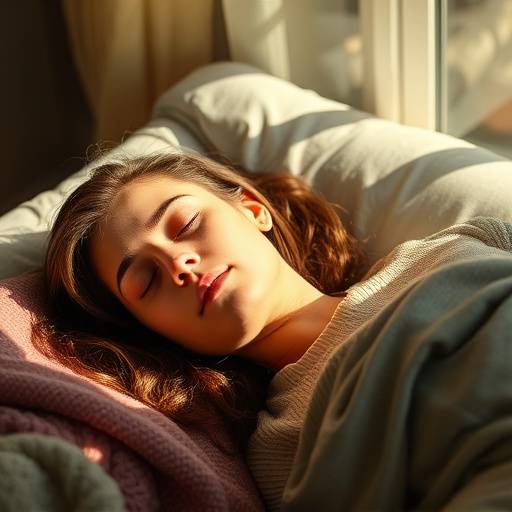
Sleep is not merely a period of inactivity; it's an active and essential physiological process. During sleep, your body repairs tissues, consolidates memories, and regulates hormones. Lack of sleep disrupts these crucial functions, increasing the risk of chronic diseases such as heart disease, diabetes, and obesity. Moreover, sleep deprivation impairs cognitive function, affecting concentration, decision-making, and overall productivity.
Understanding Sleep Hygiene: Building a Foundation for Rest
Sleep hygiene refers to a set of practices and habits that promote consistent, restful sleep. Implementing these strategies can significantly improve your sleep quality:
- Maintain a Consistent Sleep Schedule: Go to bed and wake up at the same time every day, even on weekends, to regulate your body's natural sleep-wake cycle (circadian rhythm).
- Create a Relaxing Bedtime Routine: Engage in calming activities such as reading, taking a warm bath, or listening to soothing music. Avoid screen time (phones, tablets, computers) at least an hour before bed, as the blue light emitted from these devices can interfere with melatonin production.
- Optimize Your Sleep Environment: Ensure your bedroom is dark, quiet, and cool. Use blackout curtains, earplugs, or a white noise machine to minimize disturbances. The ideal room temperature for sleep is between 60 and 67 degrees Fahrenheit (15.5 to 19.4 degrees Celsius).
- Watch Your Diet and Beverages: Avoid caffeine and alcohol close to bedtime, as they can disrupt sleep. A heavy meal before bed can also lead to discomfort and restless sleep.
- Regular Exercise: Regular physical activity can improve sleep quality, but avoid strenuous workouts close to bedtime.
- Sunlight Exposure: Expose yourself to natural sunlight during the day, especially in the morning, to help regulate your circadian rhythm.
Common Sleep Disorders: Identifying and Addressing the Issues
If you consistently struggle with sleep despite practicing good sleep hygiene, you may have a sleep disorder. Common sleep disorders include:
- Insomnia: Difficulty falling asleep, staying asleep, or experiencing non-restorative sleep.
- Sleep Apnea: Pauses in breathing during sleep, often accompanied by loud snoring and daytime sleepiness. This requires medical attention.
- Restless Legs Syndrome (RLS): An irresistible urge to move the legs, often accompanied by uncomfortable sensations.
- Narcolepsy: Excessive daytime sleepiness and sudden, uncontrollable sleep attacks.
- Circadian Rhythm Disorders: Disruptions in the body's natural sleep-wake cycle, such as jet lag or shift work disorder.
If you suspect you have a sleep disorder, it's crucial to consult with a healthcare professional or sleep specialist. They can diagnose your condition and recommend appropriate treatment options, which may include lifestyle changes, medication, or therapies such as cognitive behavioral therapy for insomnia (CBT-I).

Relaxation Techniques: Calming Your Mind and Body for Sleep
Stress and anxiety can significantly interfere with sleep. Incorporating relaxation techniques into your bedtime routine can help calm your mind and prepare your body for rest:
- Deep Breathing Exercises: Practice slow, deep breathing to activate your body's relaxation response. Try the 4-7-8 technique: inhale for 4 seconds, hold your breath for 7 seconds, and exhale slowly for 8 seconds.
- Progressive Muscle Relaxation (PMR): Tense and release different muscle groups in your body to relieve tension. Start with your toes and work your way up to your head.
- Meditation and Mindfulness: Focus on the present moment and observe your thoughts and feelings without judgment. Guided meditations specifically designed for sleep can be particularly helpful. Resources are available through the Vitality Hub Premium program.
- Visualization: Imagine a peaceful and relaxing scene, such as a beach or a forest. Engage all your senses to create a vivid and calming experience.
- Yoga and Tai Chi: Gentle stretching and mindful movement can reduce stress and improve sleep quality.
- Aromatherapy: Certain essential oils, such as lavender, chamomile, and sandalwood, have calming properties that can promote sleep. Use a diffuser or apply a few drops to your pillow.
Creating a Personalized Sleep Plan with Vitality Hub
At Vitality Hub, we believe that everyone's sleep needs are unique. That's why we offer personalized sleep plans tailored to your individual circumstances and goals. Our comprehensive assessment takes into account your sleep habits, lifestyle, and any underlying health conditions. Based on this assessment, our certified sleep coaches will develop a customized plan that addresses your specific needs and helps you achieve optimal sleep.
Our sleep plans may include:
- Sleep hygiene education and guidance
- Relaxation techniques training
- Strategies for managing sleep disorders
- Nutritional recommendations to support sleep
- Exercise recommendations to promote sleep
- Progress tracking and ongoing support
Contact Vitality Hub at (555) 123-4567 or visit us at 123 Wellness Way, Suite 400, Anytown, CA 91234. You can also email us at [email protected]. Our Sleep Specialist, Dr. Anya Sharma, is available for consultations.
Transform Your Sleep, Transform Your Life
Investing in your sleep is an investment in your overall health and well-being. By implementing the strategies and techniques outlined in this guide, you can improve your sleep quality, boost your energy levels, and enhance your quality of life. Let Vitality Hub be your partner on your journey to restful nights and energized days. Our instructors, including Sarah Chen and David Rodriguez, are dedicated to your sleep success.